Slow Train Coming

Pontypridd

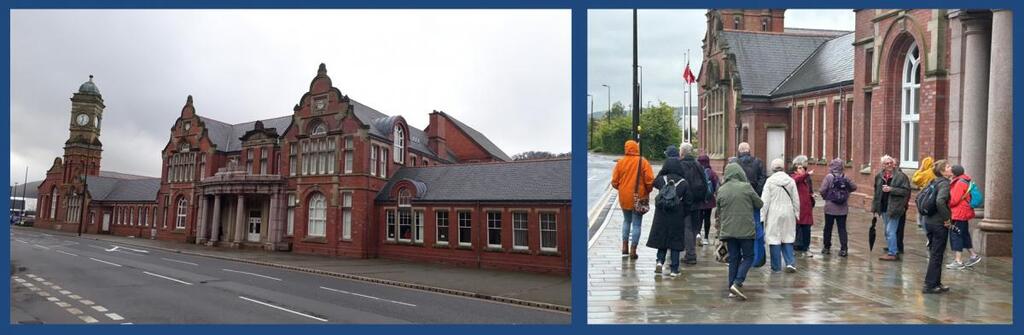
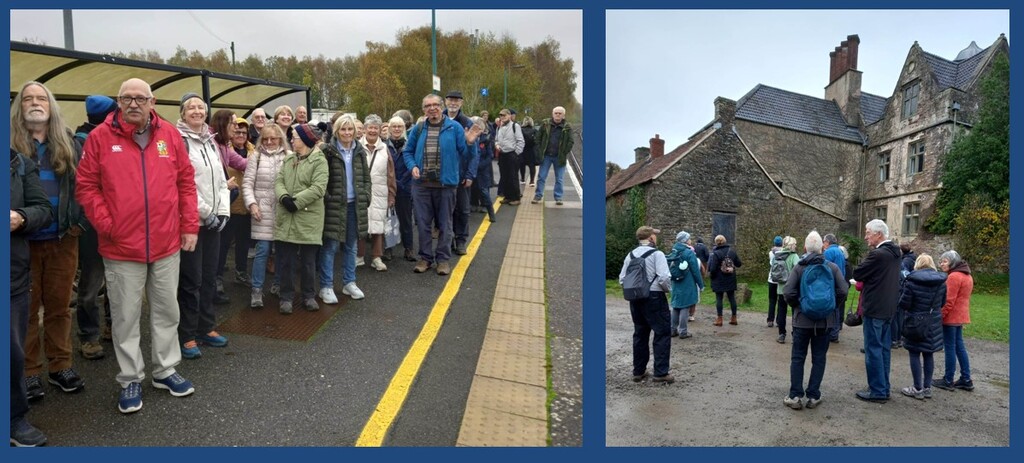
Our day started with a treat for the train enthusiasts amongst us, a ride on a brand new 756 Class train, otherwise known as an electric-flirt.  We stopped for a bit longer than we were expecting at some of the stations on the way up to Pontypridd and couldn’t decide if this was a minor technical fault or because the train travelled so fast between stations it had to stop for longer to keep to the timetable.

The rain arrived somewhat earlier than forecast so we had one talk in the shelter of Pontypridd station, which at one stage used to be the longest platform in the world.  We donned our wet-weather gear and headed down into the town, pointing out the Ynysangharad War Memorial Park, unfortunately closed today as it recovers from the recent floods caused by Storm Bert.
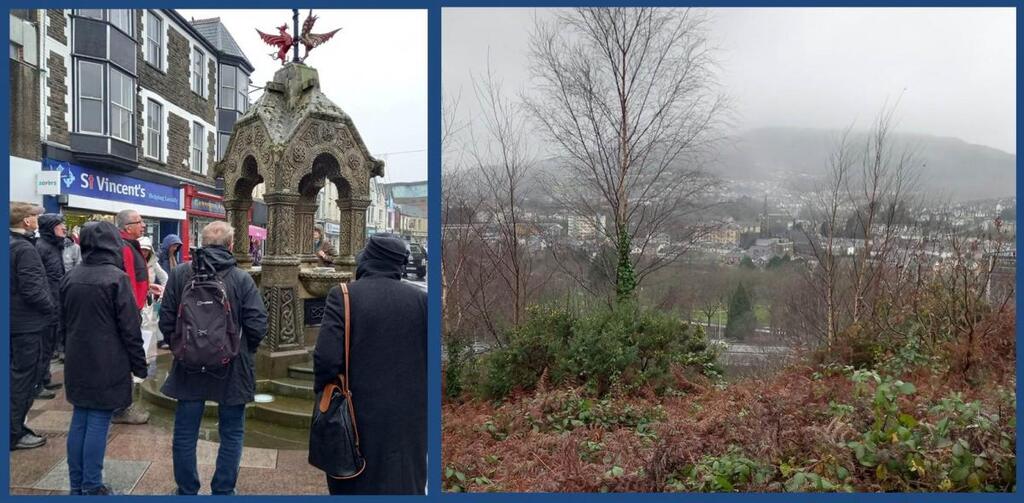
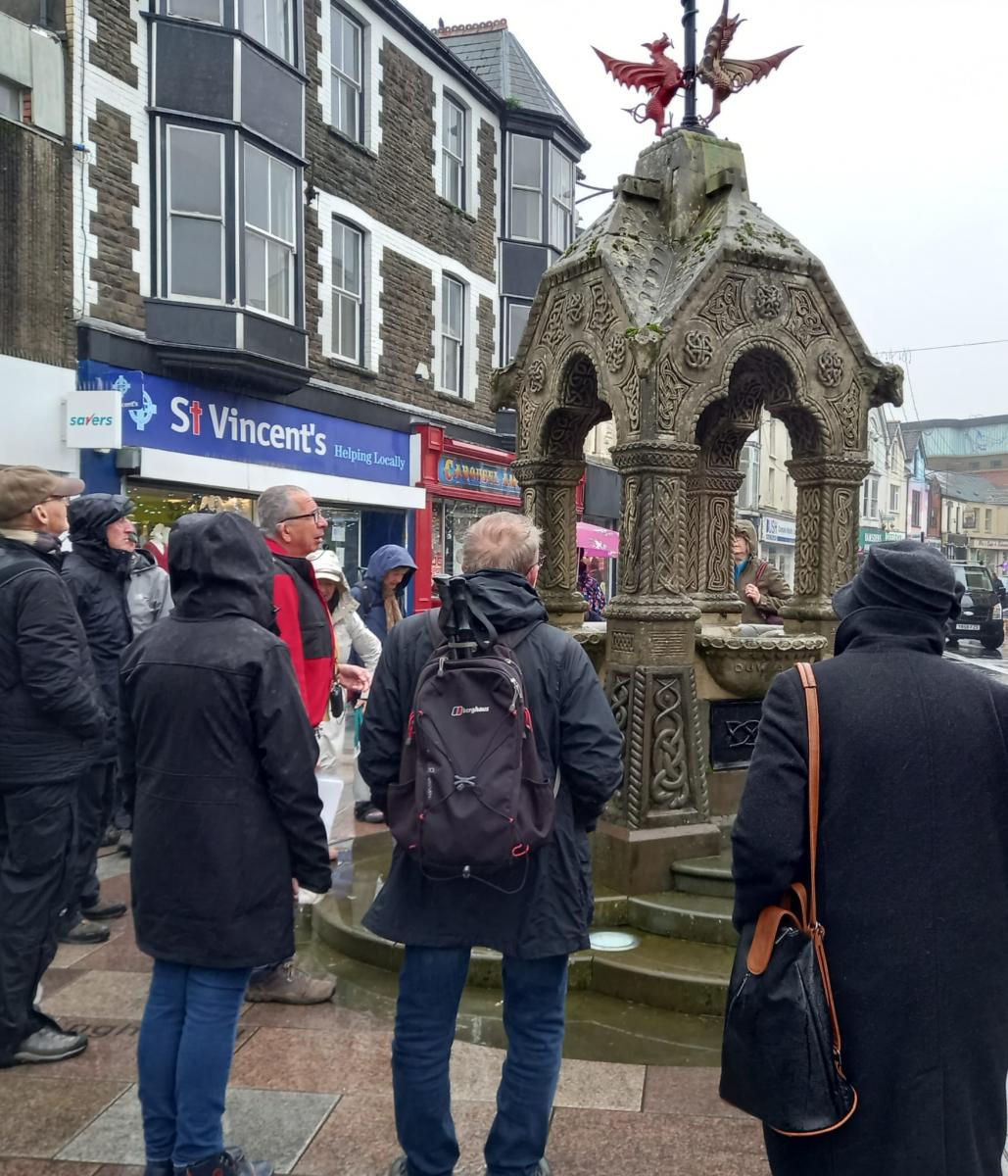
A stop by the drinking fountain in Taff Street enabled us to learn about Lord Pontypidd, a local MP born in Cardiff.  There was also time to learn about a modern hero, Richard Parks, who after retiring from playing rugby became a renowned explorer, and climbed the highest mountain on each of the world’s seven continents and complete the Three Poles Challenge (N&S Pole & Everest) within seven months.
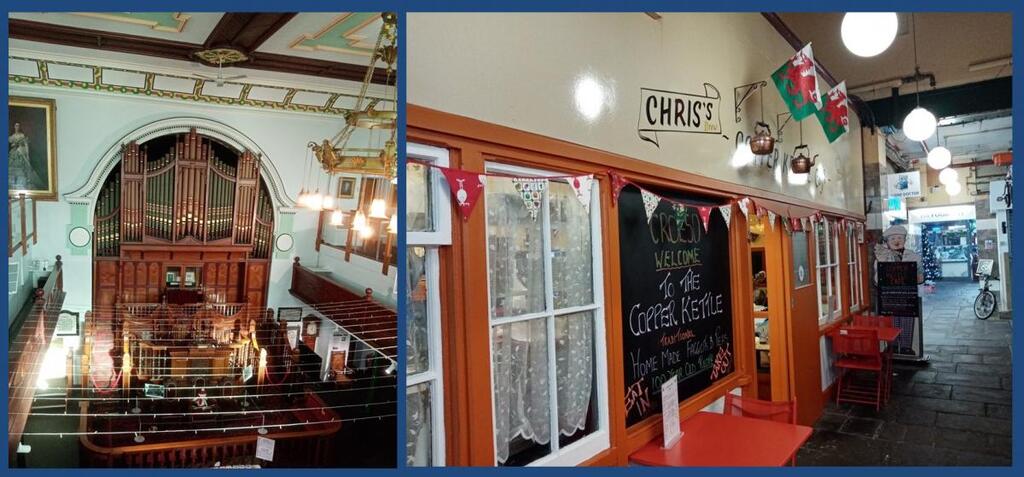
It was then down to see the lovely Pontypridd Museum, valiantly opened again after recent bad weather.  We received a warm welcome and viewed the wide range of exhibits including a tray decorated with a painting of the Old Bridge, donated by two of our members, Martyn & Janet Williams.
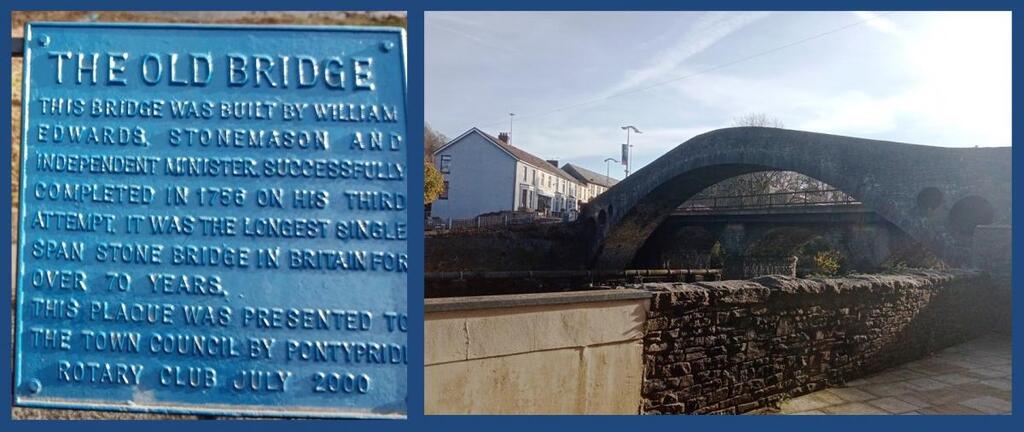
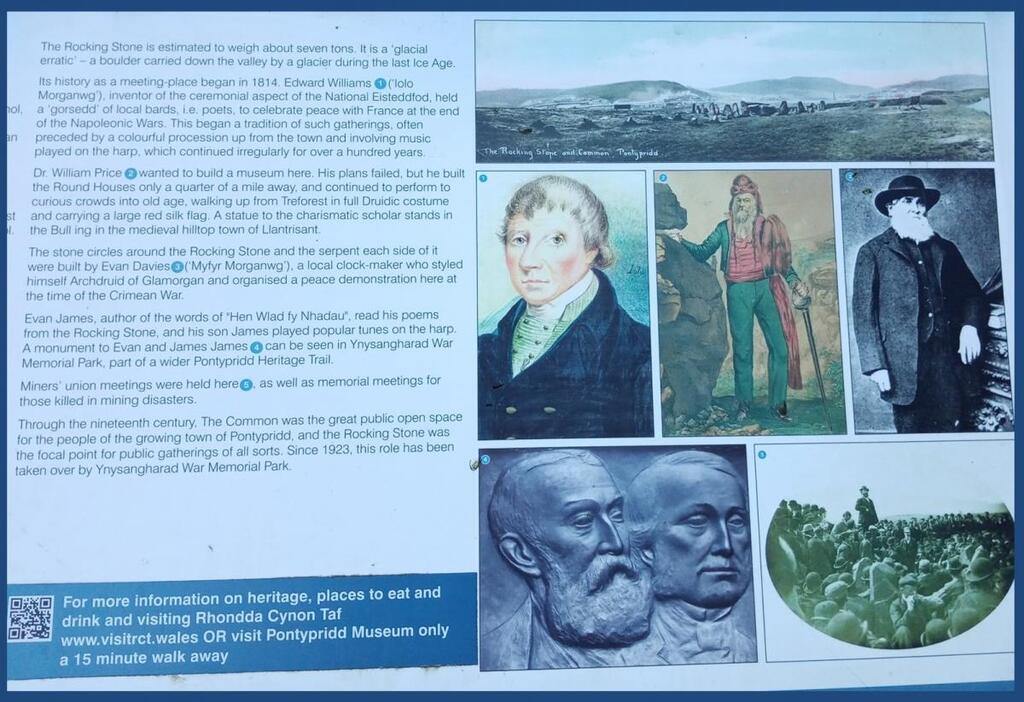
We walked over the Old Bridge, completed in 1756, which was for 70 years the longest single span stone bridge in Britain, and then up the steep hill to The Common.  At the far end of the Common we saw the Rocking Stone and discussed various meeting and ceremonies that had been held here including some by the eccentric and radical Dr William Price.
Pontypridd has no shortage of places to eat and drink. Many of our party found Pontypridd Market. We are still eating our way through the Welsh Cakes and Bara Brith.
Notes used on our trip to Pontypridd

Slow Train Coming

Lydney

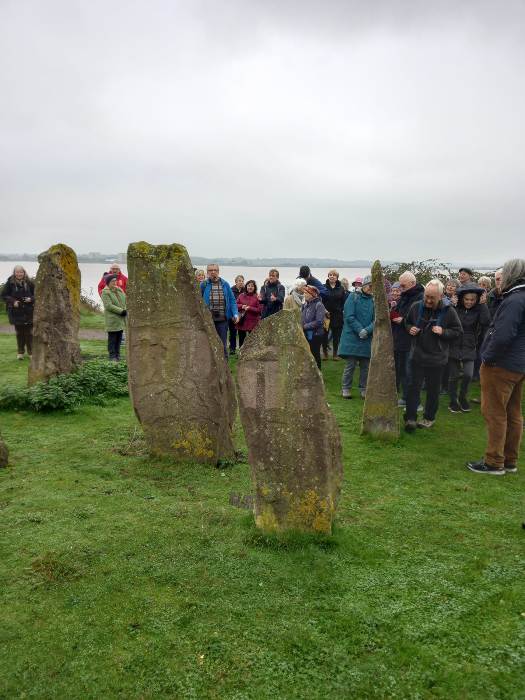
It’s that time of year again when we tend to get a boost in people joining u3a so this trip was designed to cater for a larger group than normal without too many road crossings.  Lydney harbour was however also a risk as there was no real shelter so on a wet day would have been a bit of a struggle.  Luckily it was a dry but grey day. Unfortunately the trains were in a bit of a mess when most of us arrived at our various stations with loads of delays and cancellations.  Luckily things improved and our train left about 30 mins late just leaving one or two I think stranded at other stations and not able to join us.

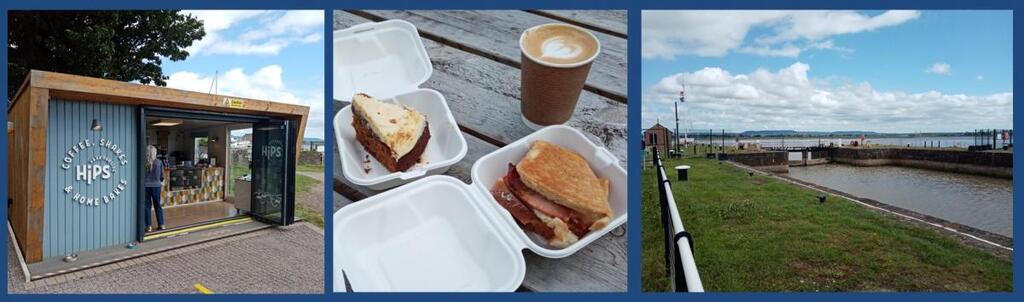
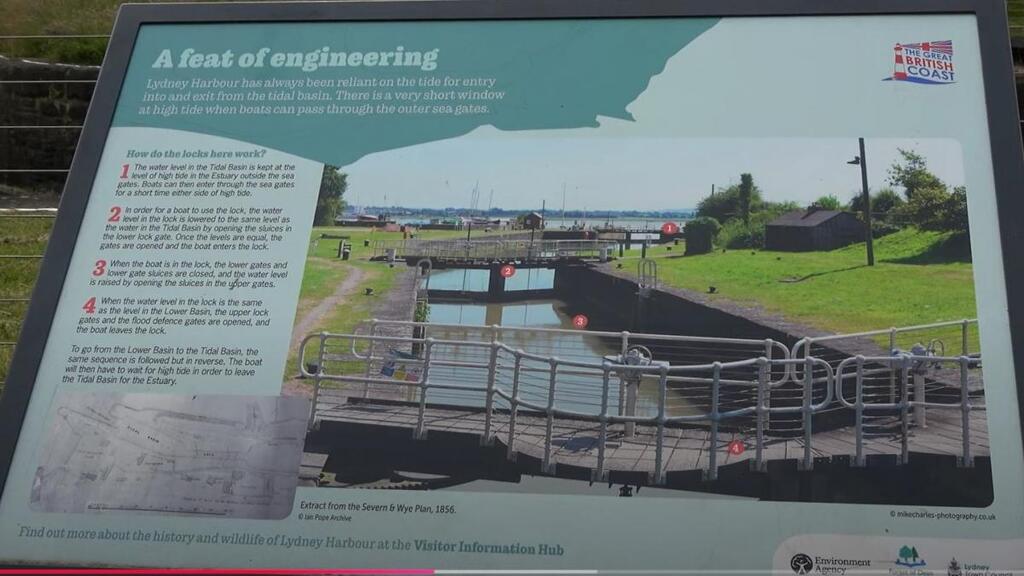
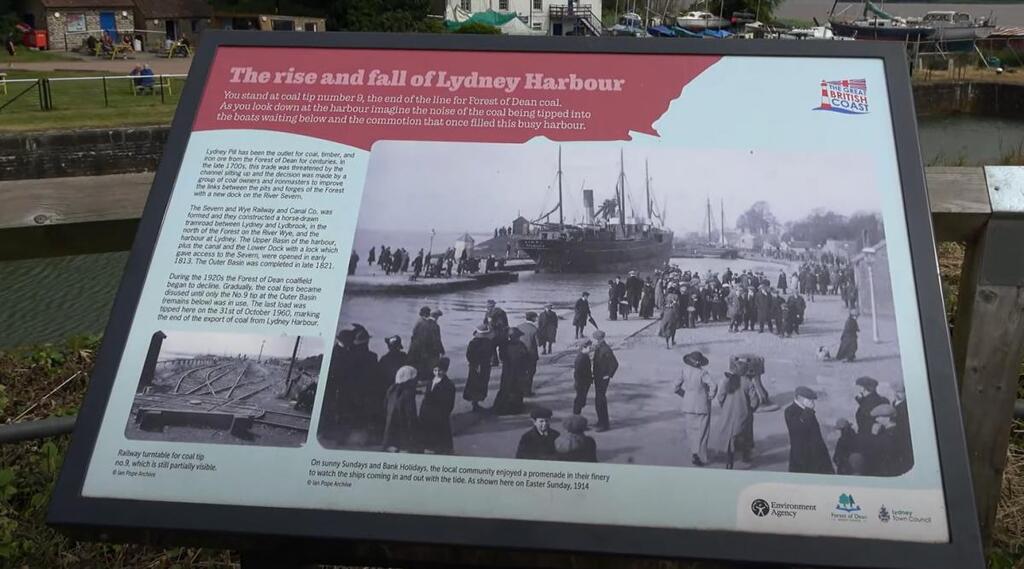
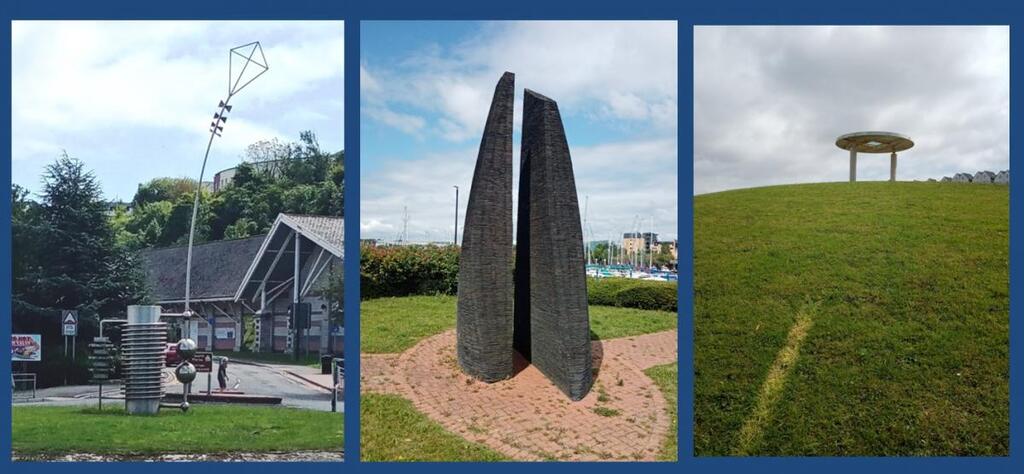
Lydney harbour is about a mile walk from the station down a dismantled railway track.  As we neared the harbour we were met with a series of sculptures and views of the River Severn.  The history of the harbour itself is nicely laid out on information boards and in the little Information Centre next to the café.  And what a lovely little café Hips Harbourside is.

OK, I admit these pics were taken on the recci visit when the skies were bluer!

A lot of us then extended our days walk by going to do a circular stroll up onto the cliff top. We took in views of Naas House, home of William Jones in ~1600, who made a fortune as a haberdasher and whose wealth was used to create Monmouth School.  We also learnt how tragedy struck the Jones family a century later when Mary Jones was murdered on her way home after taking lunch at the rectory.  Her ghost is still seen periodically in the area.

They’ve done a good job of redeveloping the harbour to make it an interesting place to visit for the day.

Notes used on our Lydney trip.

Slow Train Coming

Bargoed & Aberbargoed

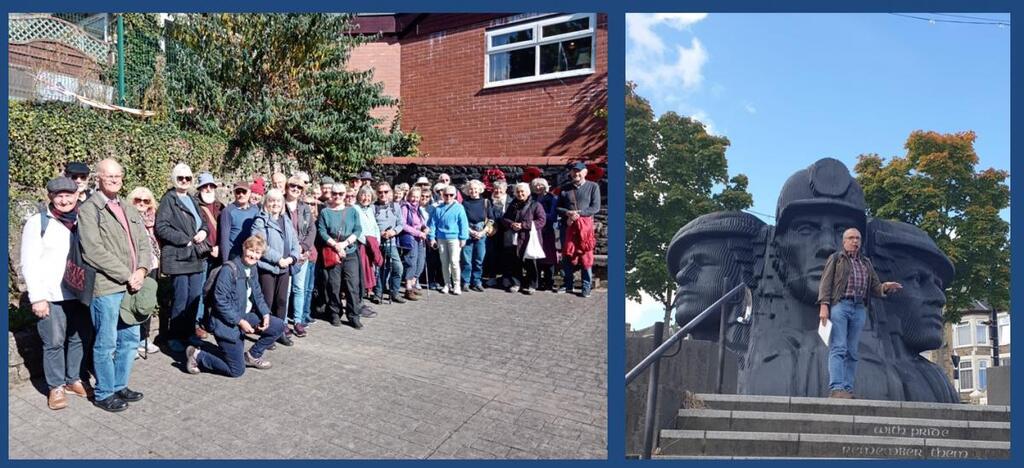
Bright sunshine welcomed us to Bargoed.  No sooner had we arrived than we set off across the picturesque valley to Aberbargoed.  It must have looked so different here in the last century when the mines were open.  We had a brief stop at the bottom of the valley to welcome new members and talk aobut Alun Hoddinott, the composer who came from Bargoed and has a a hall named after him at the Millenium Centre.

In Aberbargoed we went to the Memorial Garden and heard about Glyndwr Michael, the man who was born here and helped change the course of WWII after he had tragically died homeless in London – ‘The Man Who Never Was’.  The events are depicted in the film/play/book Operation Mincemeat.

Back in Bargoed we had some lunch with many feasting in the New Continental, one of the few remaining genuine Italian Cafes in the valleys.

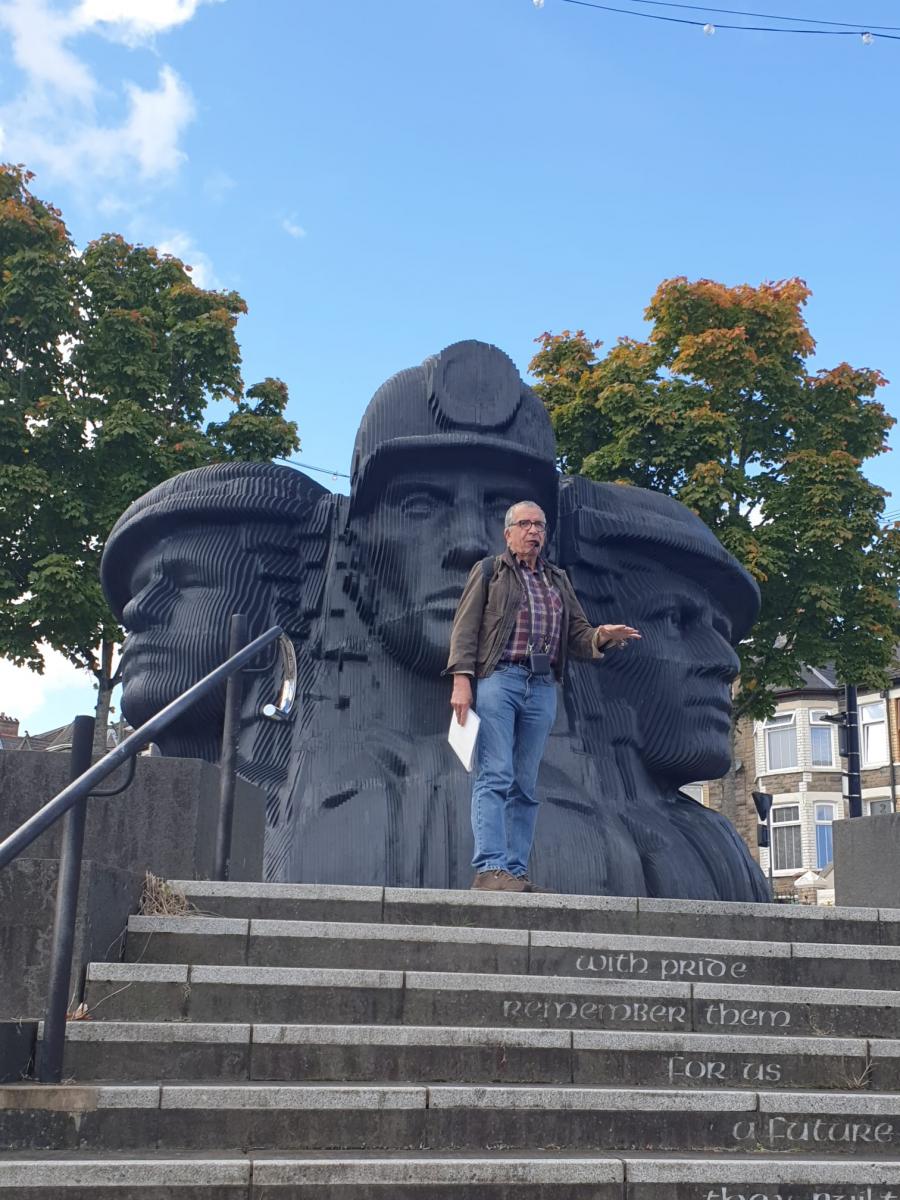
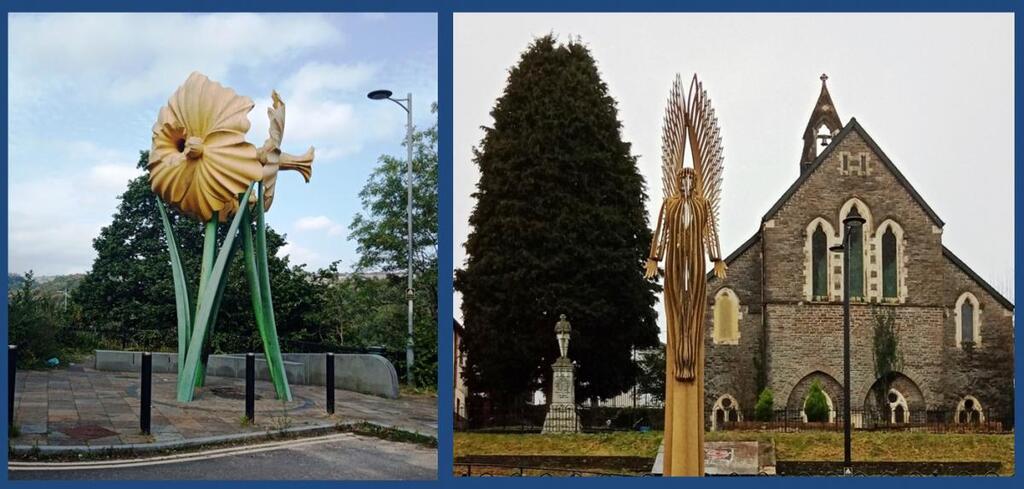
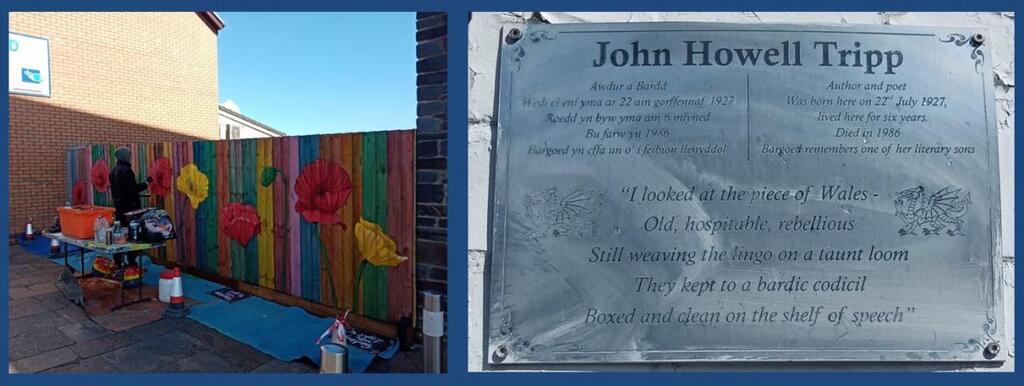
In the afternoon we admired the spectacular Pit Heads sculpture before going up the hill to Bargoed Park then wended our way back to town via the birthplace of poet John Tripp.   There was time to take in just one more sculpture, the Angel, before catching the train home.

Links to the notes I used on the day: Bargoed Notes and The Man Who Never Was.

Slow Train Coming

Ebbw Vale

A group of 35 of us headed up to Ebbw Vale on a damp September day where we were met at the station by Simon from the Ebbw Vale Works Museum. That was first for us – we’ve never had a personal welcome at a station before!  The group was divided into two with one half first visiting the Ebbw Vale Works Museum and the other the Gwent Archives before swopping over.

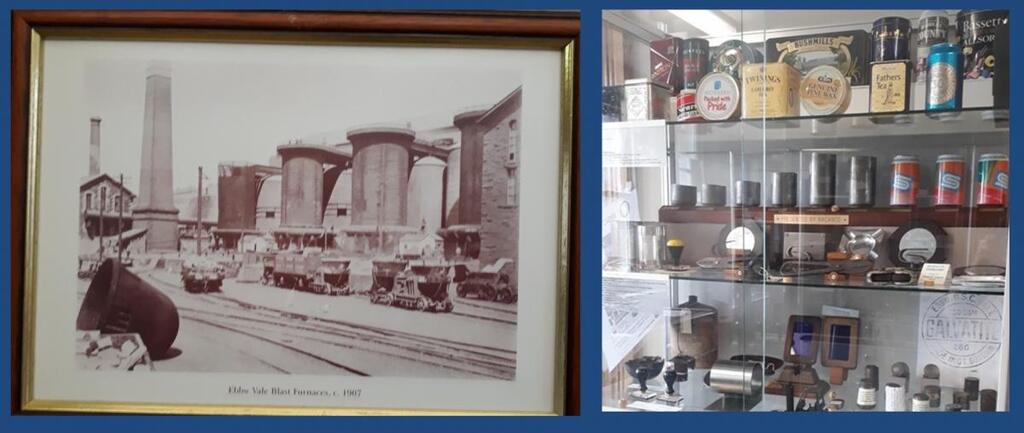
The Ebbw Vale Works Museum is well worth a visit. As well as being able to see artefacts from the two hundred years of iron and steel making in the town it was an opportunity chance to hear the personal testimonies from ex-steel workers themselves and have questions answered.

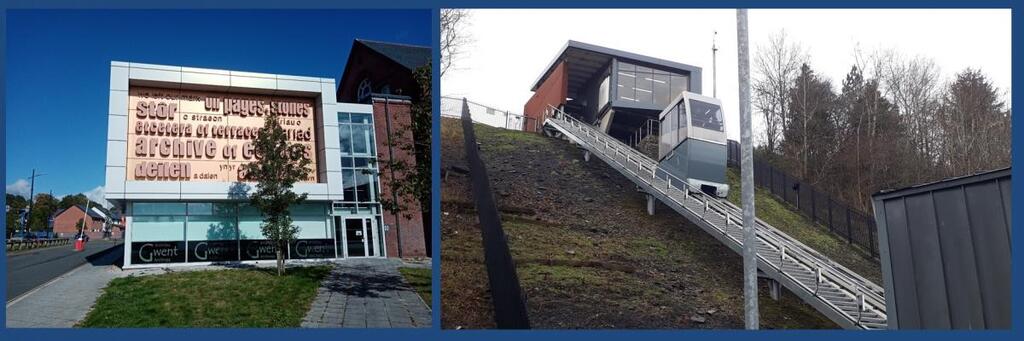
In the Gwent Archives Rhi gave us a tour told us not just all about the records stored but the whole process involved from when new items are received, often in poor condition, to being cleaned up, preserved, catalogued and stored. We also heard from Rhiannon, a conservationist, about some of the more challenging preservation tasks.

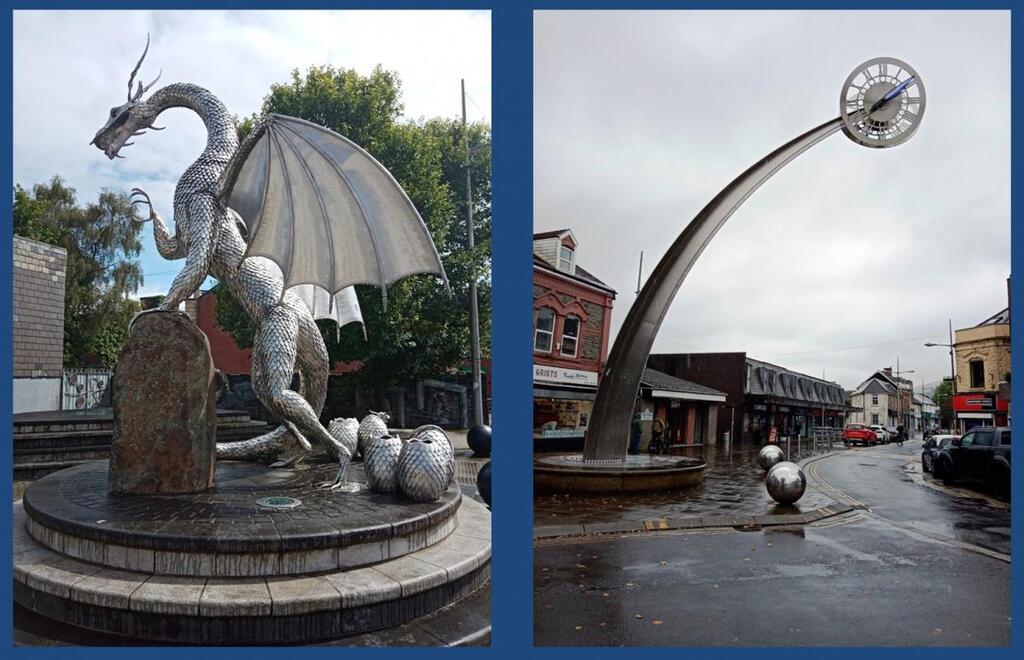
A ride on the cableway then took us up into the town centre for a quick look at some of the sculptures before seeking sustenance.  Some even stuck to the original plan of walking back down to Ebbw Vale Parkway station.

Ebbw Vale notes.

Slow Train Coming

Penarth Marina and Cardiff Barrage

A short hop for us by train this month from Cardiff to Cogan.  From there we wended our way down through Penarth Marina looking at the various sculptures and mentioning a bit of history along the way. 

Once we’d arrived at the barrage some took time to grab a coffee or ice cream and others ventured down the narrow path to the beach and a look at the cliffs containing alabaster pink rock.

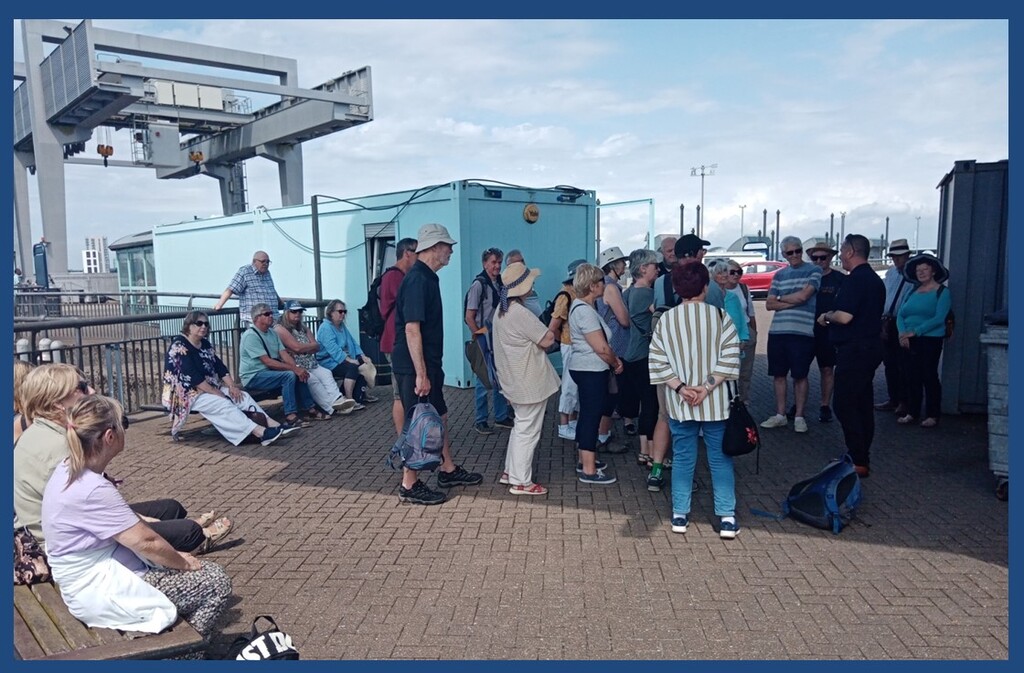
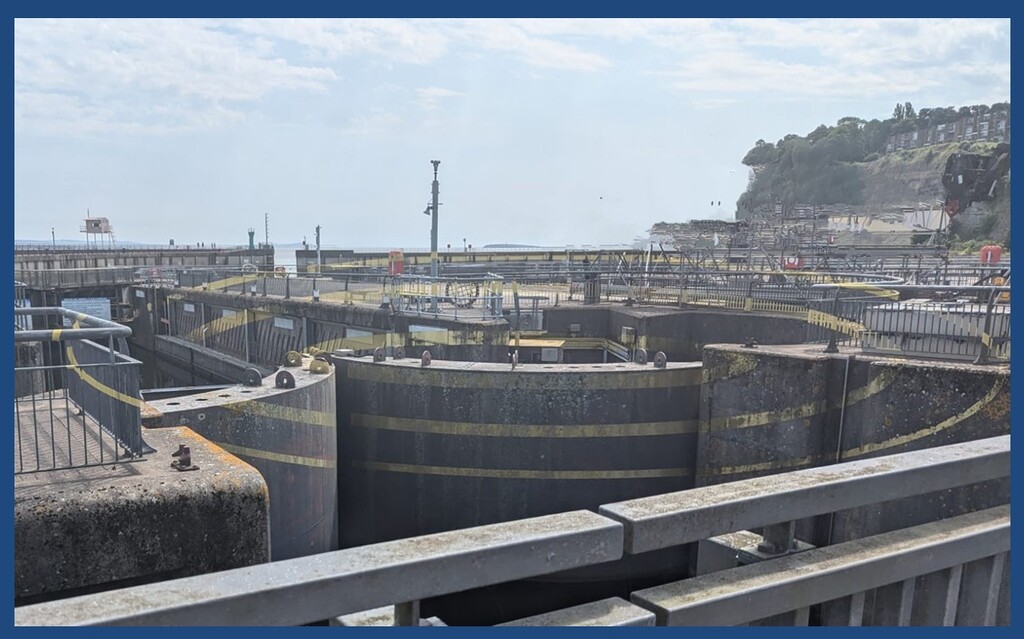
We reconvened after a break for an interesting talk from Gareth, the Principal Maintenance Engineer at the Barrage, who shared with us his years of experience and told us about the history and workings of the barrage.

At the end of Gareth’s talk we went to have a look at 3 Ellipses for 3 Locks by Swiss artist Felice Varini. Gwyn managed to capture this nice photo.

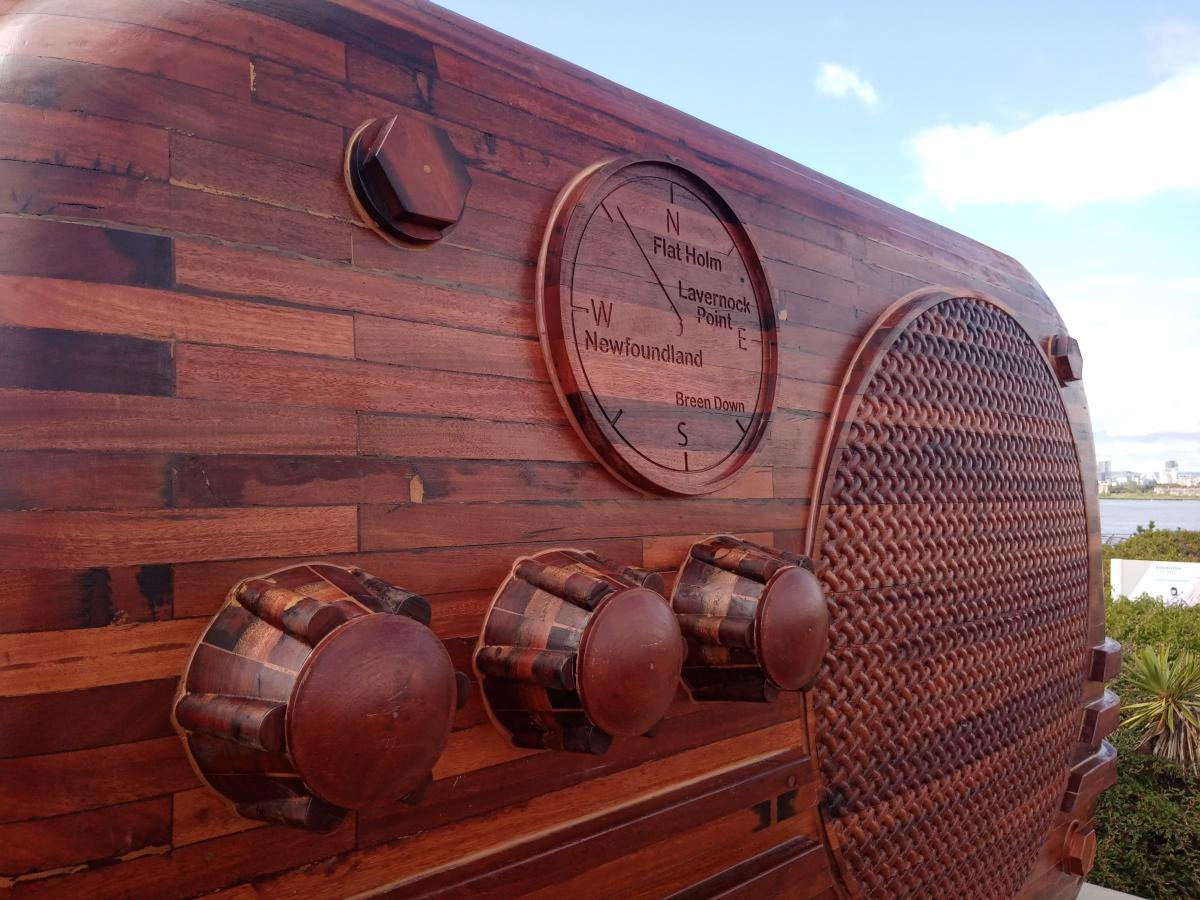
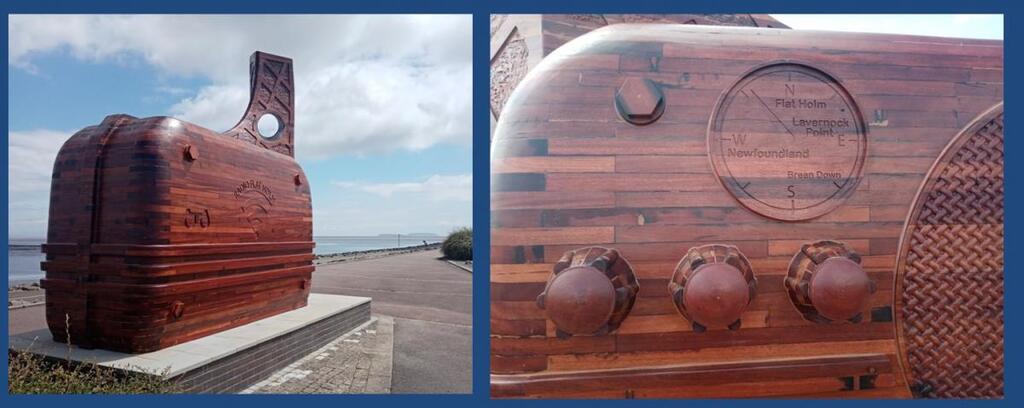
To finish the day we strode along the barrage and looked at the new wooden Flat Holm radio sculpture and then the Scott Expedition Exhibition. From there we made our way at our own pace back to Cardiff Bay and home.

Notes used for talks on the walk.